Self-paced course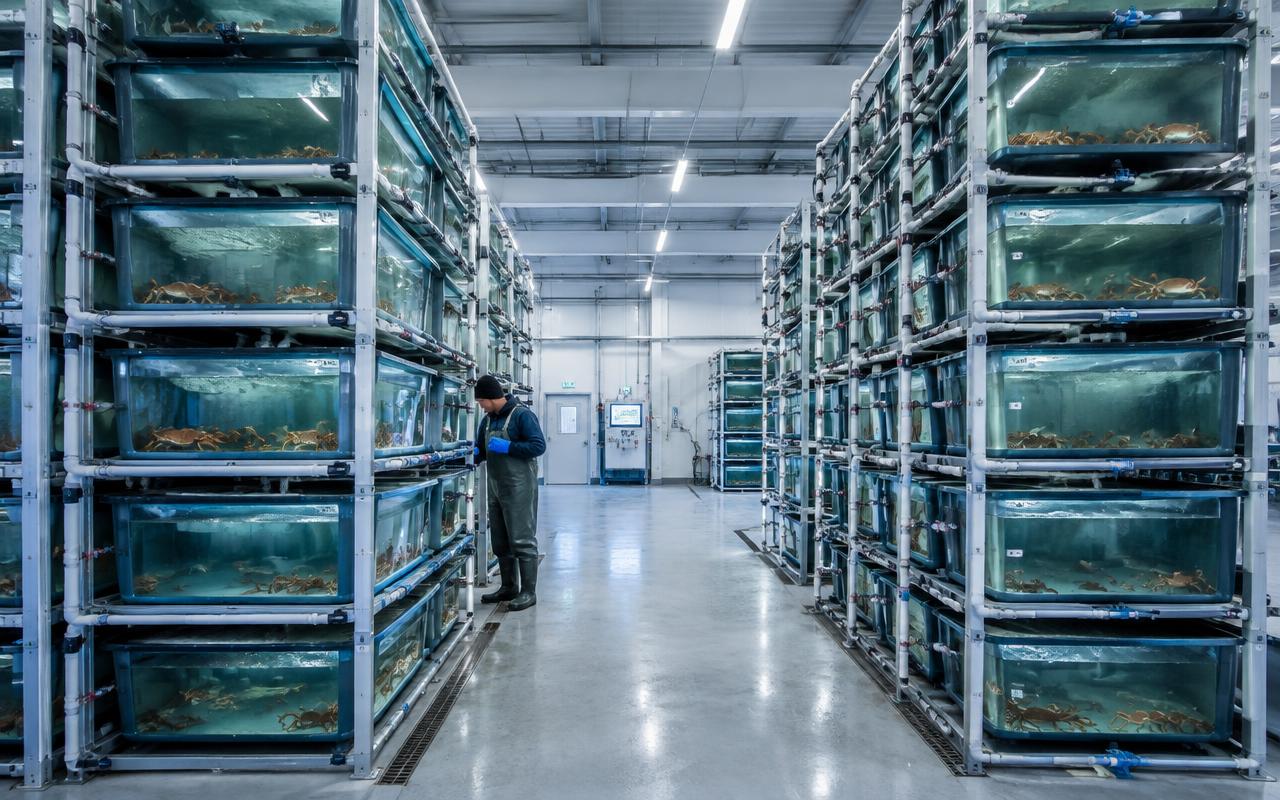
Supervisor
Our most complete program: twelve modules covering production planning, recirculating system operation, water quality management, stocking, feeding, animal health, emergencies, harvest, and farm economics — ending with a full operating plan for a specified vertical farm.
Curriculum
01 · Species and production planning
- Choose a species and product
- Map life stages and sourcing
- Plan the production cycle
02 · System layout and capacity
- Compartment design
- Plumbing flow and access
- Loading and expansion planning
03 · Recirculating system operation
- Mechanical filtration & biofiltration
- Aeration and circulation
- Startup and cycling
04 · Water quality management
- Sampling and test calibration
- Reading trends
- Corrective actions and water exchange decisions
05 · Receiving and stocking
- Supplier records and transport
- Acclimation and isolation
- Grading and individual placement
06 · Feeding and growth
- Feed selection and ration records
- Uneaten feed and growth checks
- Feed cost
07 · Molting and animal health
- Molt stages and inspection frequency
- Stress signs and mortality response
- Biosecurity
08 · Operating procedures
- Daily, weekly & monthly checklists
- Cleaning and maintenance
- Staff handoffs
09 · Failures and emergencies
- Power loss and pump failure
- Oxygen loss and leaks
- Written response drill
10 · Harvest and product handling
- Product quality
- Humane handling and traceability
- Applicable seafood safety controls
11 · Farm economics
- Startup budget and operating costs
- Survival, yield & pricing
- Break-even exercise
12 · Supervisor assessment
- Interpret a farm log
- Troubleshoot a case
- Submit an operating plan
Completion task
Build an operating plan for a specified vertical farm, including its equipment diagram, monitoring schedule, emergency procedure, and basic budget.