Courses & plans

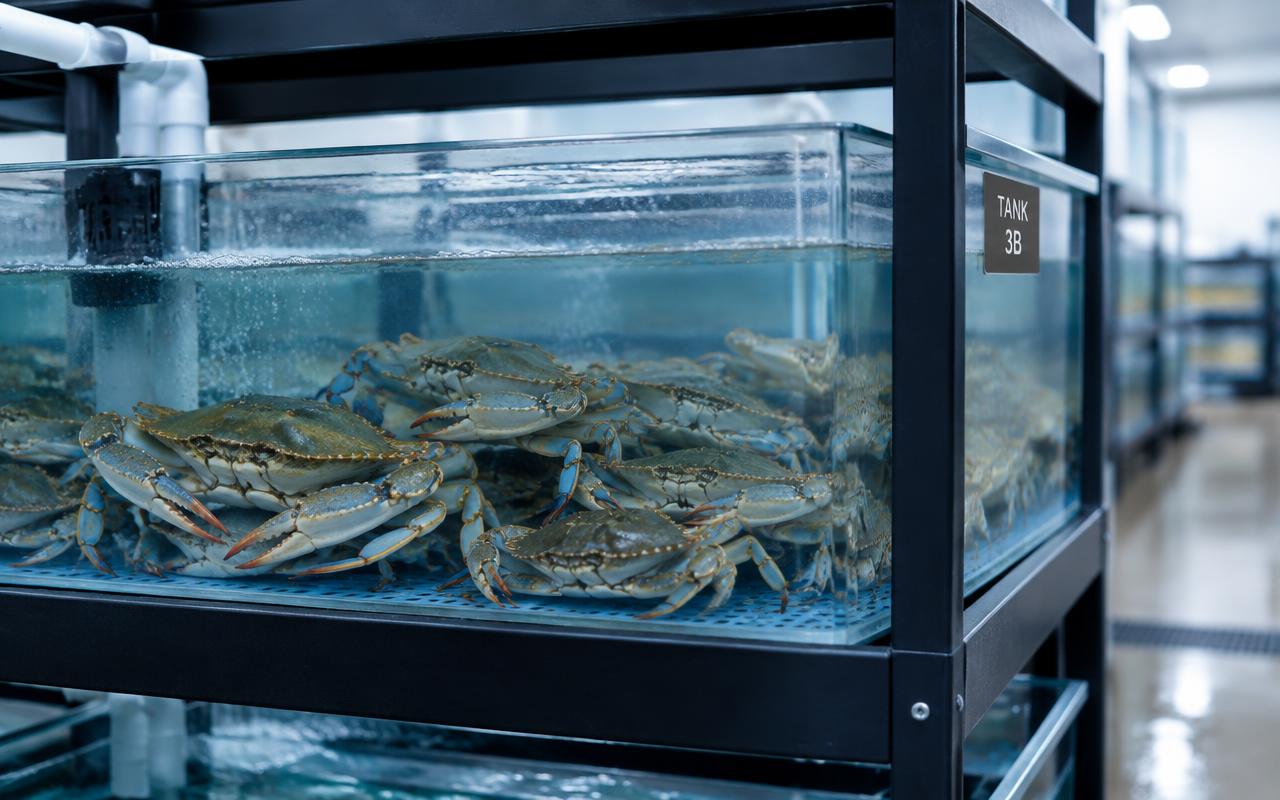
Three ways to learn vertical crab farming — from first tank to master certificate.

Beginner course

Beginner

$20
Self-paced

The essentials of vertical crab farming, from setup to daily care.
  • Six hands-on modules
  • Water quality readings & records
  • Daily farm routine & log
Most chosenSupervisor course

Supervisor

$50
Self-paced

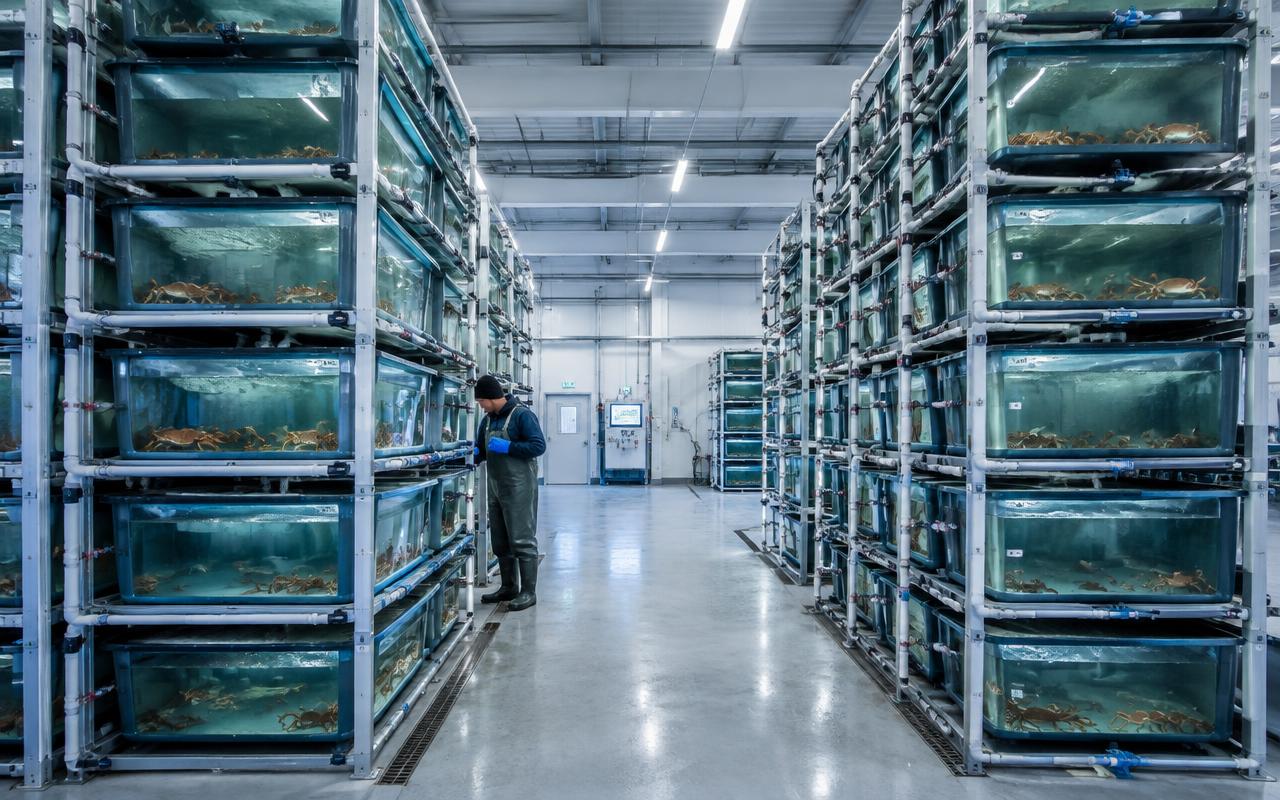
Run a full vertical crab operation with confidence and real data.
  • Everything in Beginner
  • Recirculating system operation
  • Failures & emergency drills
Master course

Master

$100
Self-paced

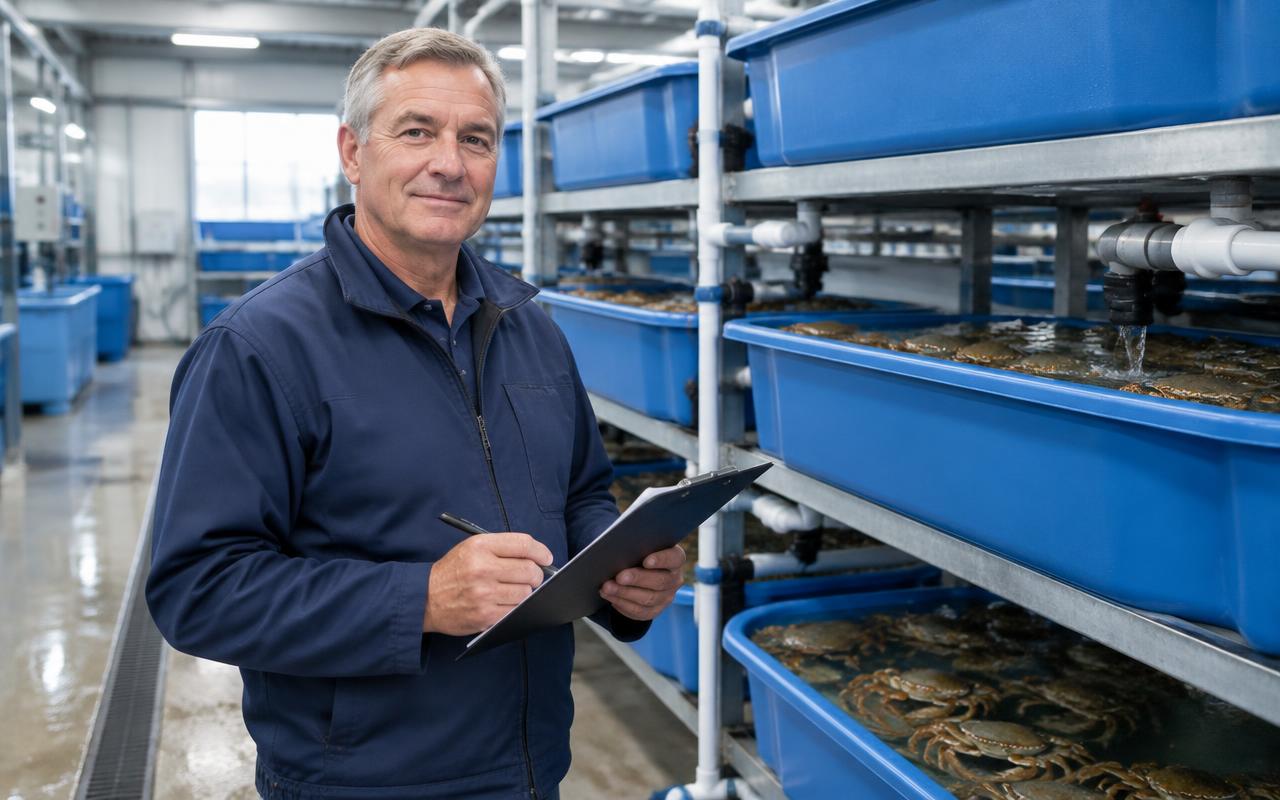
An advanced capstone for experienced crab farmers.

  • Capstone plan & defense
  • Advanced troubleshooting cases
  • Scaling & leadership skills

Dates & fees

Every course is self-paced — there are no fixed start dates. You can start the moment you pay and work through lessons on your own schedule. There are no extra fees beyond the price shown.

CourseLengthStart datePrerequisiteFee
Beginner6 modulesStart anytime (self-paced)None$20 one-time
Supervisor12 modulesStart anytime (self-paced)None$50 one-time
Master6 modulesStart anytime (self-paced)Requires the Supervisor course or documented equivalent experience.$100 one-time
All-Access MembershipEvery courseStart anytimeNone$10 / month

Full curriculum

Beginner

$20

A focused introduction to vertical crab farming. You'll learn the farming fundamentals, the vertical system itself, water quality basics, crab care, and the daily routine that keeps a rack producing — finishing with a real inspection and water quality log.

  1. 1. Crab farming fundamentals
    • · Farming goals
    • · Species and life stages
    • · Hard crab versus soft-shell production
  2. 2. The vertical system
    • · Individual compartments, racks & tanks
    • · Plumbing, filtration & aeration
    • · Backup equipment
  3. 3. Water quality basics
    • · Salinity, temperature & dissolved oxygen
    • · pH, ammonia & nitrite
    • · Taking and recording readings
  4. 4. Crab care
    • · Receiving and acclimation
    • · Safe handling, feeding & shelter
    • · Molting and daily observation
  5. 5. Daily farm routine
    • · Cleaning and waste removal
    • · Equipment checks
    • · Keeping a simple daily log
  6. 6. Problems and final review
    • · Recognizing stress
    • · Responding to a failed pump or poor water reading
    • · Knowledge quiz

Completion task: Submit a sample daily inspection and water quality log.

Supervisor

$50

Our most complete program: twelve modules covering production planning, recirculating system operation, water quality management, stocking, feeding, animal health, emergencies, harvest, and farm economics — ending with a full operating plan for a specified vertical farm.

  1. 1. Species and production planning
    • · Choose a species and product
    • · Map life stages and sourcing
    • · Plan the production cycle
  2. 2. System layout and capacity
    • · Compartment design
    • · Plumbing flow and access
    • · Loading and expansion planning
  3. 3. Recirculating system operation
    • · Mechanical filtration & biofiltration
    • · Aeration and circulation
    • · Startup and cycling
  4. 4. Water quality management
    • · Sampling and test calibration
    • · Reading trends
    • · Corrective actions and water exchange decisions
  5. 5. Receiving and stocking
    • · Supplier records and transport
    • · Acclimation and isolation
    • · Grading and individual placement
  6. 6. Feeding and growth
    • · Feed selection and ration records
    • · Uneaten feed and growth checks
    • · Feed cost
  7. 7. Molting and animal health
    • · Molt stages and inspection frequency
    • · Stress signs and mortality response
    • · Biosecurity
  8. 8. Operating procedures
    • · Daily, weekly & monthly checklists
    • · Cleaning and maintenance
    • · Staff handoffs
  9. 9. Failures and emergencies
    • · Power loss and pump failure
    • · Oxygen loss and leaks
    • · Written response drill
  10. 10. Harvest and product handling
    • · Product quality
    • · Humane handling and traceability
    • · Applicable seafood safety controls
  11. 11. Farm economics
    • · Startup budget and operating costs
    • · Survival, yield & pricing
    • · Break-even exercise
  12. 12. Supervisor assessment
    • · Interpret a farm log
    • · Troubleshoot a case
    • · Submit an operating plan

Completion task: Build an operating plan for a specified vertical farm, including its equipment diagram, monitoring schedule, emergency procedure, and basic budget.

Master

$100

An advanced capstone for operators ready to lead. You'll review real farm performance records, troubleshoot combined cases, make scaling decisions, write operating standards, and present and defend a species-specific production and risk plan to earn the VCFA-issued Master Crab Farmer certificate.

  1. 1. Farm performance review
    • · Interpret survival, growth & feed records
    • · Water quality and downtime records
  2. 2. Advanced troubleshooting
    • · Diagnose a combined case
    • · Animal behavior, water readings & equipment performance
  3. 3. Scaling decisions
    • · Assess capacity, labor & redundancy
    • · The cost of adding another rack or system
  4. 4. Farm leadership
    • · Write operating standards and assign checks
    • · Train an operator and verify records
  5. 5. Capstone plan
    • · Present a species-specific production and risk plan
  6. 6. Oral or written defense
    • · Explain decisions and corrective actions to an assessor

Completion task: Pass the capstone and defense, and demonstrate correct responses to critical water quality and life-support failures.